

Living in West Hartford, Connecticut means dealing with seasonal pest challenges. Here are the top 5 pests our technicians encounter and how you can protect your home.
1. Ants
Argentine ants and carpenter ants are prevalent in our area. Keep food sealed, fix leaky faucets, and seal entry points around windows and doors.
2. Rodents
Mice and rats seek shelter as temperatures drop. Store firewood away from your home, seal gaps larger than a dime, and keep gutters clear. Learn more about our rodent control services.
3. Termites
Eastern Subterranean termites cause significant damage. Remove wood-to-soil contact and maintain proper drainage around your foundation. Termite control info.
4. Bed Bugs
These pests are on the rise in Connecticut. Inspect hotel luggage, wash bedding regularly, and vacuum frequently. Bed bug removal services.
5. Mosquitoes
Eliminate standing water in gutters, birdbaths, and containers. Wear long sleeves at dusk and use EPA-registered repellents. Mosquito control.
We Serve All Local Towns
We provide pest control services throughout Greater Hartford including Avon, Farmington, Bloomfield, Newington, and Simsbury.
Need Help?
For persistent pest problems, contact West Hartford Pest Control at (860) 469-4524 for a free consultation. Get a free quote.
Top 5 Pests in West Hartford CT Homes (And How to Get Rid of Them)
West Hartford, Connecticut, with its beautiful tree-lined streets, historic homes, and vibrant neighborhoods like West Hartford Center, Elmwood, and Bishops Corner, offers a fantastic quality of life. However, even in our charming town, residents occasionally encounter uninvited guests: pests. From the humid Connecticut summers to the chilly New England winters, local homes can provide an attractive refuge for a variety of creatures. Understanding which pests are common and how to address them is key to maintaining a comfortable living environment.
Here, we’ll explore the top five most common pests found in West Hartford homes, offering insights into why they appear, what warning signs to look for, practical DIY prevention tips, and when it’s time to call in the professionals.
1. Ants (Especially Carpenter Ants)
Ants are a perennial problem in many West Hartford homes. While smaller pavement ants can be a nuisance searching for food, carpenter ants pose a more significant threat due to their ability to damage wood structures.
- Why they appear in West Hartford homes: West Hartford’s older housing stock, particularly homes built before the 1980s, often have wooden elements that carpenter ants find appealing for nesting. The abundance of mature trees throughout neighborhoods provides ample outdoor nesting sites, and ants often venture indoors during spring and summer foraging for food and moisture, especially after heavy rains common in our Connecticut seasons.
- Warning signs:
- Carpenter Ants: Small piles of sawdust-like material (frass) near wooden structures, often containing insect body parts. Visible large, black ants (up to 5/8 inch long) with elbowed antennae, particularly at night or in damp areas like bathrooms or basements. Rustling sounds within walls.
- Pavement Ants: Small trails of ants marching along baseboards, countertops, or foundations, particularly in kitchens and pantries. Small mounds of soil near sidewalks or foundations.
- DIY prevention:
- Seal cracks and openings in foundations, around windows, and utility entry points.
- Trim back tree branches and shrubs away from your home’s exterior.
- Store food in airtight containers and clean up spills promptly.
- Repair leaky pipes and address any moisture issues in basements, attics, or crawl spaces.
- Remove any decaying wood or old stumps from your property.
- When to call a pro: If you suspect a carpenter ant infestation (seeing frass or large numbers of large black ants), professional intervention is crucial to locate and eliminate nests, which are often hidden within walls or structural timbers. For persistent pavement ant problems that DIY methods can’t control, a professional can identify entry points and apply targeted treatments.
2. Mice & Rats
Rodents are a common issue for West Hartford residents, especially as temperatures drop. They seek warmth, food, and shelter indoors.
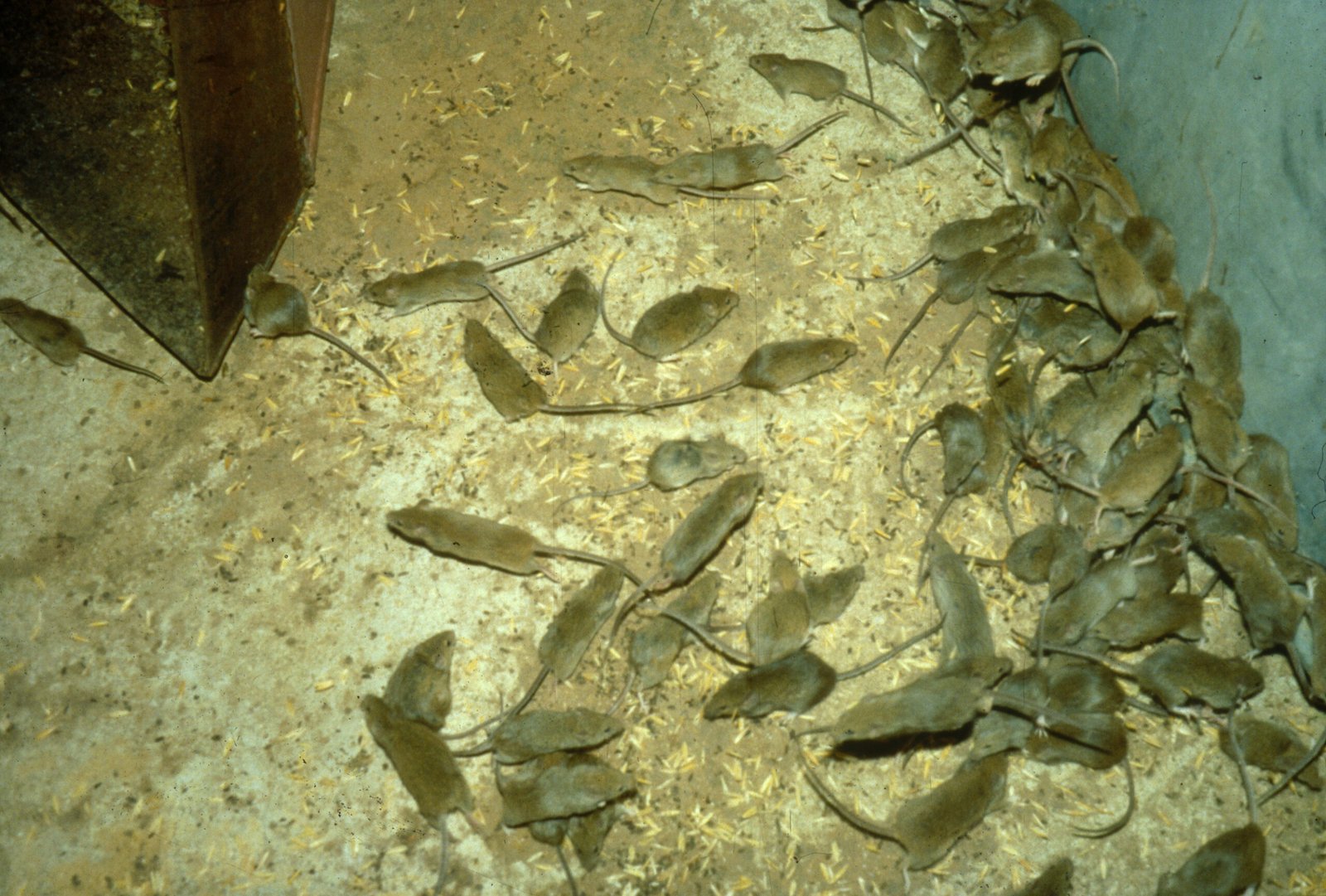
- Why they appear in West Hartford homes: As autumn turns to winter, rodents from nearby parks, wooded areas, and even urban green spaces like those around Elizabeth Park or the West Hartford Reservoir, seek refuge from the cold. Our older New England homes can offer numerous small entry points. Food sources from kitchens and pantries are also a major draw.
- Warning signs:
- Small, dark droppings resembling rice grains (mice) or larger, capsule-shaped droppings (rats) found in cupboards, drawers, or along baseboards.
- Gnaw marks on food packaging, wooden structures, wires, or furniture.
- Scratching or scurrying noises in walls, attics, or ceilings, particularly at night.
- Nests made of shredded paper, fabric, or insulation in secluded areas.
- A musky odor, especially in enclosed spaces.
- DIY prevention:
- Seal all potential entry points, even tiny ones (mice can fit through a dime-sized hole). Use steel wool, caulk, or mesh.
- Store food in sturdy, airtight containers.
- Keep your home clean and crumb-free, especially in kitchen areas.
- Ensure trash cans have tight-fitting lids and are emptied regularly.
- Declutter attics, basements, and garages to remove potential nesting sites.
- When to call a pro: Rodent infestations can escalate quickly, and DIY trapping often only addresses a fraction of the problem. A professional exterminator can identify entry points, implement a comprehensive trapping and baiting strategy, and offer advice on long-term prevention. Rodents can also carry diseases and cause significant damage to wiring.
3. Cockroaches
While less common in pristine homes, cockroaches can still be a problem, especially in multi-unit dwellings or if introduced via infested packages.
- Why they appear in West Hartford homes: Cockroaches thrive in warm, humid, and dark environments. They can be introduced into homes through groceries, luggage, or even by hitchhiking from neighboring units in apartment complexes around areas like Bishops Corner or Elmwood. They are attracted to food debris, crumbs, and moisture.
- Warning signs:
- Visible cockroaches, especially at night when they are most active.
- Small, dark fecal spots or “pepper-like” droppings on surfaces.
- A distinct, musty odor.
- Egg casings (oothecae) which are small, dark, oblong capsules.
- DIY prevention:
- Maintain excellent cleanliness, especially in the kitchen.
- Fix leaky faucets and pipes to eliminate water sources.
- Seal cracks and crevices in walls, floors, and around pipes.
- Store food in sealed containers and avoid leaving pet food out overnight.
- Regularly empty trash and keep it in sealed bins.
- When to call a pro: Cockroaches are notoriously difficult to eradicate due to their rapid reproduction rate and ability to hide. A professional can identify the species, locate harborage areas, and apply targeted treatments that are effective and safe for your home.
4. Bed Bugs
Bed bugs are a growing concern in many communities, and West Hartford is no exception, particularly with increased travel and population density.
- Why they appear in West Hartford homes: Bed bugs are expert hitchhikers. They can be brought into homes on luggage after travel, on used furniture, or even from visiting guests. With West Hartford’s proximity to major travel hubs and its vibrant community, the risk of encountering bed bugs is present.
- Warning signs:
- Itchy red welts on skin, often in lines or clusters, appearing after sleeping.
- Small blood stains on sheets or mattresses.
- Dark spots (bed bug fecal matter) on mattresses, bedding, or nearby furniture.
- Visible bed bugs (flat, reddish-brown, apple-seed sized insects) in mattress seams, bed frames, or cracks in walls.
- A distinct, sweet, musty odor in heavily infested areas.
- DIY prevention:
- Inspect used furniture thoroughly before bringing it into your home.
- When traveling, inspect hotel rooms (especially mattresses and headboards) for signs of bed bugs.
- Vacuum regularly, especially around beds and upholstered furniture.
- Use mattress and box spring encasements.
- Be cautious when bringing items like luggage or backpacks into your home after visiting others.
- When to call a pro: Bed bugs are one of the most challenging pests to eliminate. DIY methods are rarely successful due to their elusive nature and resistance to many over-the-counter treatments. Professional bed bug treatment often involves a combination of methods, including heat treatments and targeted insecticides, and is essential for complete eradication.
5. Wasps & Yellowjackets
As the Connecticut weather warms up, particularly in late summer and early fall, stinging insects like wasps and yellowjackets become more active around West Hartford properties.
- Why they appear in West Hartford homes: These stinging insects are attracted to food sources (especially sugary drinks and proteins at outdoor gatherings) and seek sheltered locations to build nests. West Hartford’s many mature trees, shrubs, and older homes with eaves, attics, and voids provide ideal nesting sites. Yellowjackets, in particular, can nest underground or in wall voids.
- Warning signs:
- Increased number of wasps or yellowjackets flying around a specific area of your home or yard.
- Visible nests: paper-like nests hanging from eaves, trees, or under decks (wasps); holes in the ground or cracks in foundations where insects are entering/exiting (yellowjackets).
- A constant buzzing sound if a nest is in a wall void.
- DIY prevention:
- Seal cracks and holes in your home’s exterior to prevent entry into wall voids.
- Keep outdoor trash cans tightly sealed.
- Clean up fallen fruit from trees promptly.
- Avoid leaving sugary drinks or food uncovered outdoors.
- Inspect your property regularly for new nest formations, especially in spring.
- When to call a pro: Attempting to remove a wasp or yellowjacket nest can be dangerous, especially for individuals allergic to stings. Yellowjackets, known for their aggressive nature, can sting multiple times. If a nest is large, in a difficult-to-reach location, or if you have a known allergy, it’s always safest to contact a professional pest control service.
Living in West Hartford offers many joys, and keeping your home pest-free is an important part of that. By understanding these common pests and taking preventative measures, you can significantly reduce your risk of an infestation. However, for persistent problems or dangerous pests, professional help is always the most effective and safest solution.
Professional Pest Control Services
Dealing With a Pest Problem in West Hartford?
West Hartford Pest Control offers licensed, family-safe pest control across Hartford County. Call (860) 469-4524 for same-day service.
