
Wasp, Hornet, and Yellowjacket Nest Removal in West Hartford & The Farmington Valley
Stinging insects like wasps, hornets, and yellowjackets can turn a pleasant afternoon in your West Hartford backyard into a stressful situation. Whether you’re enjoying a stroll through West Hartford Center, shopping at Blue Back Square, or relaxing at home in Elmwood, encountering a nest of these aggressive pests can be alarming. At West Hartford Pest Control, located conveniently at 75 S Main St, West Hartford CT 06107, we specialize in safe and effective removal of wasp, hornet, and yellowjacket nests throughout West Hartford and the surrounding Farmington Valley, including Farmington, Bloomfield, Newington, and Hartford.
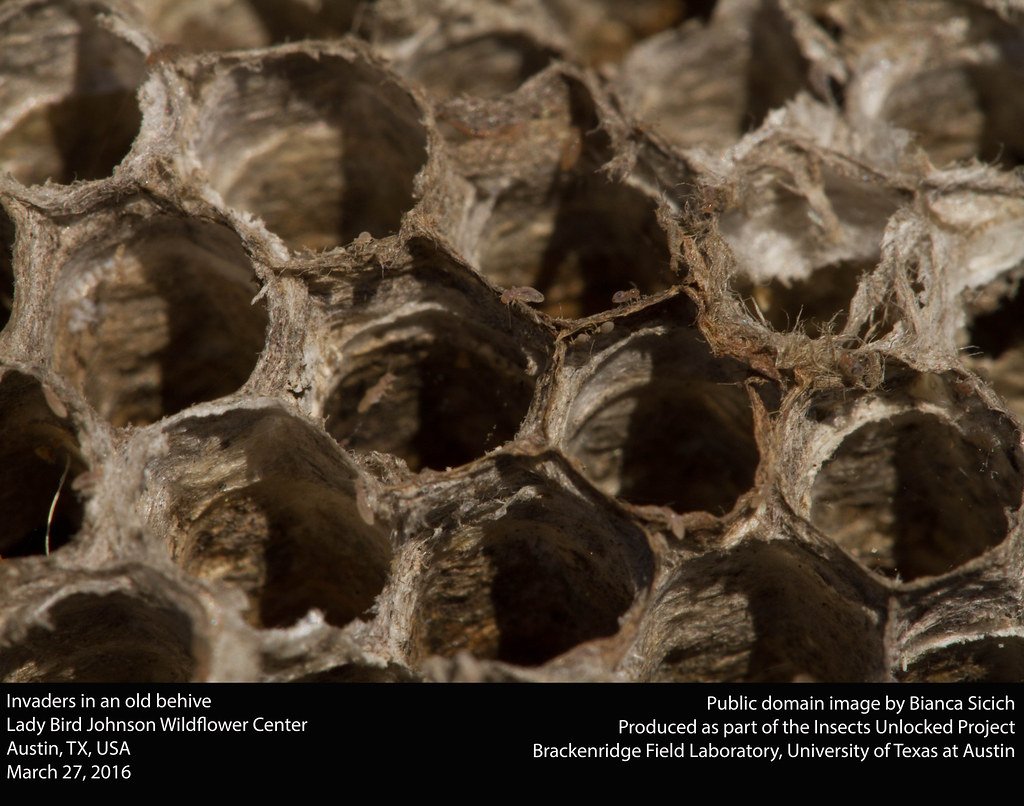
Common Stinging Insects in Connecticut
Connecticut is home to several species of stinging insects that can build nests around homes and businesses. Understanding which pest you’re dealing with is the first step toward effective removal:
- Paper Wasps: Often recognized by their umbrella-shaped nests, paper wasps typically build their homes under eaves, soffits, and in sheltered areas like sheds and attics. They are generally less aggressive than hornets or yellowjackets unless their nest is disturbed.
- Bald-faced Hornets: Despite their name, bald-faced hornets are actually a type of yellowjacket. They construct large, football-shaped, gray paper nests, usually high in trees or shrubs, but sometimes on structures. They are highly territorial and can sting multiple times if they feel threatened.
- European Hornets: These are the largest stinging insects in our region, easily identified by their reddish-brown and yellow markings. European hornets often build nests in hollow trees, wall voids, and attics. They can be active at night and are attracted to lights.
- Yellowjackets: Known for their black and yellow striped bodies, yellowjackets are perhaps the most common and aggressive stinging insects in Connecticut. They often build nests underground in old rodent burrows, but can also be found in wall voids, dense shrubs, and even in playground equipment. Their attraction to sugary foods and discarded food items makes them a nuisance at outdoor gatherings.
Identifying and Locating Nests
Spotting a few individual wasps or hornets around your property, especially near areas like your patio on Park Road or a window in Bishops Corner, can be an early sign of a nearby nest. Here’s what to look for:
- Increased Activity: A noticeable increase in stinging insect traffic around a specific area, especially if they are entering and exiting a small opening, strongly suggests a nest.
- Nest Visibility: Paper wasp nests are often clearly visible hanging from eaves or under deck railings. Bald-faced hornet nests are large and conspicuous in trees.
- Ground Nests: Yellowjacket ground nests are harder to spot. Look for insects flying in and out of a small hole in the ground, often in landscaped areas or near tree roots.
- Wall Voids/Attics: European hornets and sometimes yellowjackets can nest inside walls or attics. You might hear buzzing sounds or see insects entering and exiting small cracks or openings in your home’s exterior.
The Dangers of DIY Nest Removal
Attempting to remove a wasp, hornet, or yellowjacket nest yourself can be extremely dangerous. These insects will aggressively defend their nests, and a single sting can be painful. More importantly, multiple stings can trigger a severe allergic reaction (anaphylaxis) in some individuals, which can be life-threatening. Even if you are not allergic, the sheer number of stings from an agitated colony can be overwhelming and require medical attention. For residents in the West End or anywhere in West Hartford, it’s always safer to rely on professional expertise.
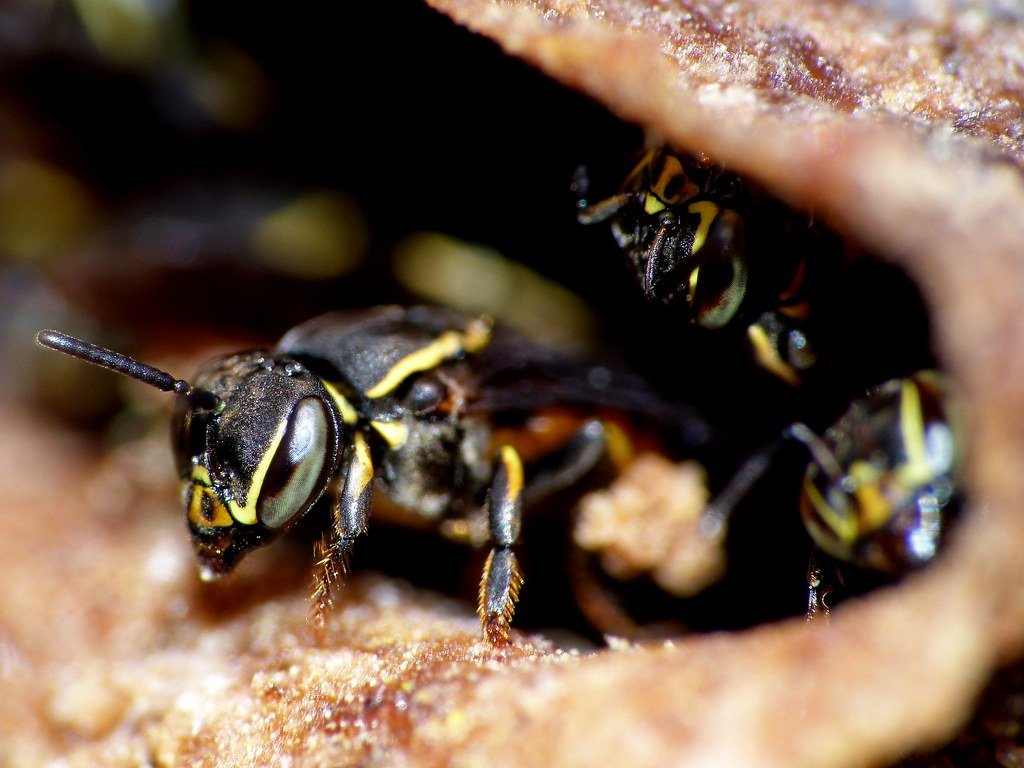
Professional Nest Removal and Knockdown
At West Hartford Pest Control, our trained technicians employ safe and effective methods for nest removal and knockdown. Our process typically includes:
- Thorough Inspection: We identify the species of stinging insect and locate all active nests on your property.
- Targeted Treatment: We use professional-grade insecticides specifically designed to quickly and efficiently eliminate the colony while minimizing exposure to non-target organisms.
- Safe Nest Removal: Once the colony is neutralized, we carefully remove the nest to prevent future reinfestation and eliminate any lingering pheromone trails that might attract new pests.
- Follow-Up Advice: We provide recommendations to help prevent future stinging insect problems around your West Hartford home.
Prevention Tips for Connecticut Homes
While complete prevention can be challenging, there are several steps you can take to reduce the likelihood of stinging insects nesting near your home:
- Seal Entry Points: Seal cracks and crevices in your home’s foundation, siding, and around windows and doors to prevent insects from entering wall voids or attics.
- Maintain Screens: Repair or replace damaged window and door screens.
- Keep Food Covered: When dining outdoors in West Hartford, keep food and beverages covered. Clean up spills promptly.
- Trim Vegetation: Keep shrubs and tree branches trimmed away from your home’s exterior.
- Inspect Regularly: Periodically check under eaves, deck railings, and in sheds for early signs of nest construction, especially during spring and early summer.
- Proper Waste Management: Ensure trash cans have tight-fitting lids and are emptied regularly, especially those used for food waste.
Why Local Matters: West Hartford Pest Control
As a local business serving West Hartford and the Farmington Valley, we understand the specific pest challenges faced by residents in our community. We are familiar with the common stinging insect species in Connecticut and the unique environmental factors that contribute to their presence in areas like West Hartford Center, Blue Back Square, and Elmwood. Our proximity allows for prompt response times, and our commitment to the community means we prioritize safe, effective, and environmentally responsible pest control solutions for your home or business.
Frequently Asked Questions
What are the signs of a wasp, hornet, or yellowjacket infestation?
Common signs include seeing numerous stinging insects flying in and out of a specific area, discovering a visible nest (e.g., hanging from eaves, in a tree, or in the ground), or hearing buzzing sounds within your walls or attic.
Is it safe to remove a nest myself?
No, attempting DIY nest removal is strongly discouraged. Stinging insects aggressively defend their nests, and you risk multiple painful stings and potential allergic reactions. Professional removal is the safest and most effective option.
When is the best time to treat a stinging insect nest?
Generally, treating nests in the late evening or early morning when the insects are less active and most are inside the nest can be more effective. However, our professionals can safely treat nests at any time.
How can I prevent stinging insects from building nests near my West Hartford home?
You can reduce the likelihood of nests by sealing entry points into your home, keeping food and garbage covered outdoors, trimming vegetation away from your house, and regularly inspecting your property for early signs of nest construction.
Areas We Serve & Related Services
- West Hartford Pest Control (home)
- Pest Control Avon CT
- Pest Control Farmington CT
- Pest Control Hartford CT
- Rodent Control
Safe Wasp & Hornet Nest Removal
Our licensed technicians use family- and pet-conscious methods to solve the problem at the source. Call (860) 469-4524 for same-day service.
