
Professional Ant Control in West Hartford, CT

Our expert ant control services eliminate ant infestations quickly and prevent them from returning. We treat all types of ants including carpenter ants, odorous house ants, pavement ants, and more.
Our Ant Treatment Process
- Inspection: We identify the ant species and locate nests
- Treatment: Targeted application to eliminate colonies
- Exclusion: Seal entry points to prevent future infestations
- Prevention: Recommendations to keep ants away
Types of Ants We Treat
- Carpenter ants
- Odorous house ants
- Pavement ants
- Pharaoh ants
- Argentine ants
Call (860) 469-4524 for professional ant control in West Hartford.
Ant Control & Extermination in West Hartford, CT
Ants are a common nuisance for homeowners and businesses throughout West Hartford, CT, and surrounding communities like Farmington, Bloomfield, Newington, and Hartford. At West Hartford Pest Control, located at 75 S Main St, West Hartford CT 06107, we understand the unique challenges these persistent pests present. Whether you’re dealing with a few scouts in your kitchen or a significant infestation, our licensed exterminators are equipped to identify the species and implement effective, targeted ant control solutions.
Common Ant Species in Connecticut
Connecticut is home to several ant species, each with distinct behaviors and preferred nesting sites. Understanding which type of ant you’re dealing with is the first step toward effective control:
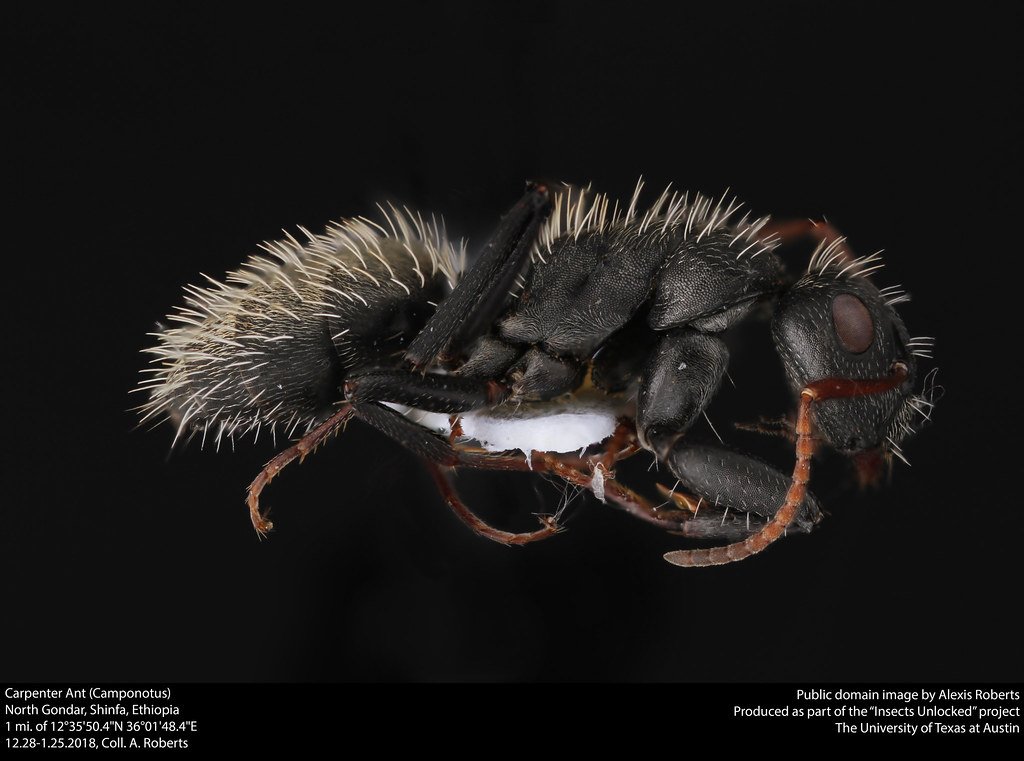
- Carpenter Ants: These are among the largest ant species found in our area. Unlike termites, carpenter ants do not eat wood; instead, they tunnel through it to create nests, often causing significant structural damage over time. You might find them in damp or decaying wood around window frames, doorframes, or even within wall voids. If you see large, black ants, especially around West Hartford Center or homes near older trees, it’s wise to investigate further.
- Pavement Ants: Small, dark brown to black ants, pavement ants are frequently seen nesting under sidewalks, driveways, and foundations. They often enter homes through cracks in the foundation or around ground-level windows. You’ll commonly spot them foraging for food crumbs in kitchens and pantries, particularly in areas like Elmwood or Bishops Corner where older paved areas are prevalent.
- Odorous House Ants: These tiny, dark brown ants are named for the unpleasant, rotten coconut-like odor they emit when crushed. They often nest in wall voids, under floors, or in insulation. Odorous house ants are highly attracted to sweets and can quickly establish large colonies, becoming a persistent problem in kitchens and bathrooms throughout neighborhoods like the West End.
- Pharaoh Ants: Small, yellowish-brown ants, Pharaoh ants are a more challenging species to control. They often nest in warm, moist areas within wall voids, behind baseboards, or even in appliances. They are known to infest hospitals and food-handling establishments but can also be found in homes, particularly seeking out sugary or greasy foods. Their colonies can split into multiple smaller colonies if treated incorrectly, making professional intervention crucial.
Why Ants Invade Connecticut Homes
Ants invade homes for three primary reasons: food, water, and shelter. Our vibrant West Hartford community, with its mix of residential and commercial areas, offers ample opportunities for ants to find these necessities:
- Food Sources: Kitchens are prime targets. Spills, crumbs, unsealed food containers, and even pet food left out can attract ants. Whether you’re in an apartment near Blue Back Square or a single-family home off Park Road, ensuring food is stored properly is key.
- Water Sources: Leaky pipes, condensation around windows, and even standing water in sinks or showers provide essential moisture for ants, making bathrooms and laundry rooms attractive.
- Shelter & Nesting Sites: Cracks in foundations, gaps around windows and doors, and even small openings where utility lines enter the home can serve as entry points and nesting sites. Carpenter ants, in particular, seek out damp or damaged wood within the structure.
Signs of an Ant Infestation
Recognizing the signs of an ant infestation early can help prevent it from becoming a larger problem:
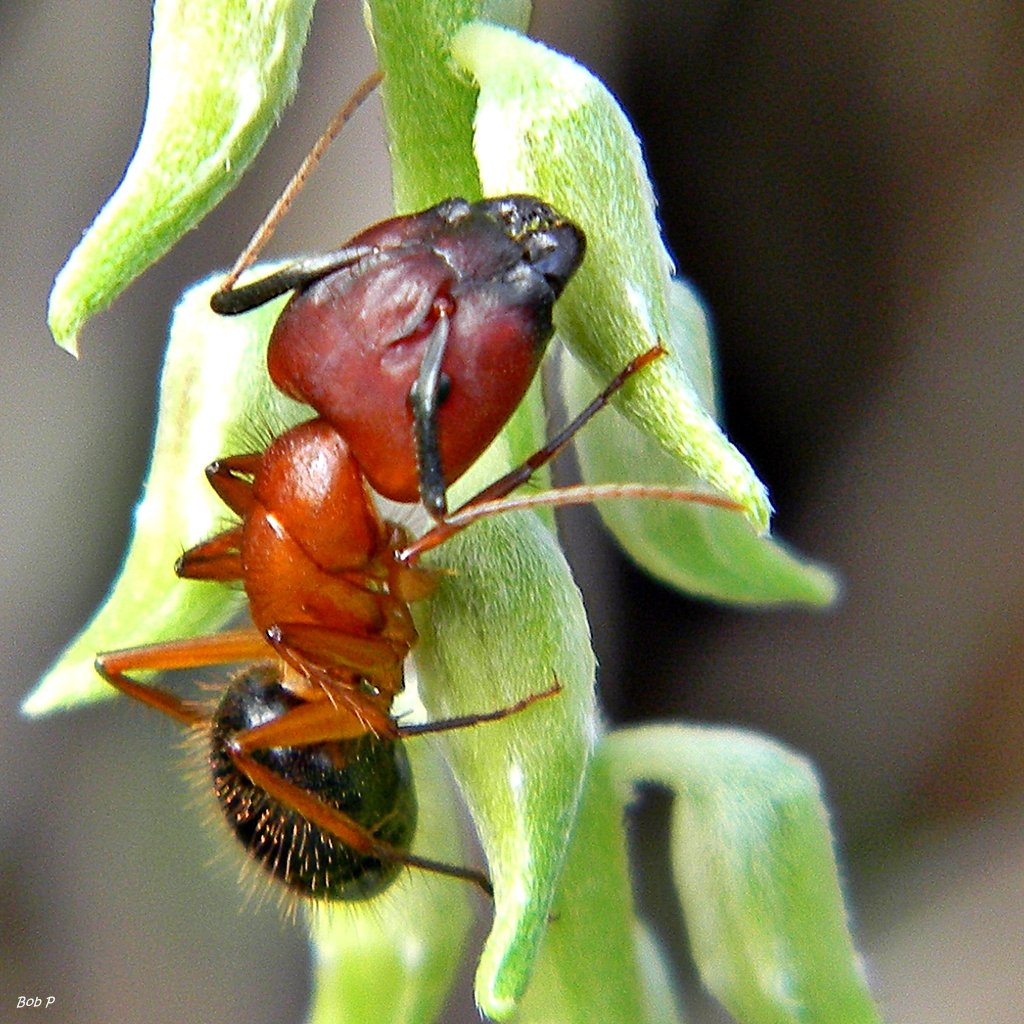
- Live Ants: Seeing a few ants foraging is a common first sign. However, if you consistently see trails of ants, especially in the kitchen or bathroom, it indicates a larger colony nearby.
- Ant Trails: Ants often follow invisible pheromone trails to and from food sources. Observing these trails can help pinpoint their entry points.
- Nesting Sites: For carpenter ants, you might find small piles of sawdust-like material (frass) near wooden structures, indicating their tunneling activity. For other species, faint mounds of soil or debris might be visible near foundations.
- Damaged Wood: In the case of carpenter ants, hollow-sounding wood or visible tunnels within wooden structures can indicate an active infestation.
Professional Ant Treatment Process
At West Hartford Pest Control, our approach to ant extermination is thorough and tailored to your specific situation:
- Inspection: Our licensed technicians will conduct a detailed inspection of your property, both indoors and outdoors, to identify the ant species, locate nesting sites, and determine entry points. This might involve checking basements, attics, kitchens, bathrooms, and the exterior perimeter of your home in West Hartford.
- Targeted Treatment: We utilize a combination of methods, including baiting and targeted sprays, depending on the ant species and the severity of the infestation.
- Baiting: Ant baits are highly effective for many species. Ants carry the bait back to their colony, sharing it with other ants, including the queen, leading to colony elimination. This is often preferred for odorous house ants and pharaoh ants.
- Spraying: Residual sprays may be used in specific areas to create a barrier and eliminate ants on contact, particularly around entry points or trails.
- Follow-Up: Depending on the situation, follow-up visits may be scheduled to ensure complete eradication and to monitor for any new activity.
Seasonal Ant Activity in Connecticut
Ant activity in West Hartford is often seasonal:
- Spring: As temperatures rise, ants become more active, emerging from their overwintering sites in search of food and water. This is when you’ll often see the first signs of an infestation.
- Summer: Ant colonies are typically at their largest and most active during the warmer summer months. Foraging activity is high, and new colonies may be established.
- Fall: As temperatures begin to drop, ants may try to move indoors to find warmer harborage for the winter, making them a common nuisance in the fall.
- Winter: While outdoor ant activity decreases significantly, some species can remain active indoors if they have found a warm nesting site within your home.
Prevention Tips for Connecticut Homes
Preventing ants from entering your West Hartford home is crucial:
- Seal Entry Points: Caulk cracks in foundations, seal gaps around windows and doors, and ensure screens are intact.
- Maintain Cleanliness: Promptly clean up food spills, store food in airtight containers, and regularly empty trash cans. Don’t leave pet food out overnight.
- Address Moisture Issues: Fix leaky pipes, ensure proper drainage around your foundation, and reduce humidity in basements and crawl spaces.
- Trim Vegetation: Keep shrubs and tree branches trimmed away from your home’s exterior, as they can provide bridges for ants.
- Store Firewood Properly: Stack firewood away from your home and off the ground to deter carpenter ants.
Why Local Matters for Ant Control
Choosing a local pest control company like West Hartford Pest Control means you’re working with professionals who understand the specific pest pressures of our region. We are familiar with the common ant species in West Hartford, Farmington, Bloomfield, and Newington, as well as local building styles and environmental factors that contribute to pest problems. Our proximity allows for quick response times and personalized service right here in your neighborhood.
Ant Control FAQ
How do I know if I have carpenter ants or termites?
Carpenter ants are typically larger and black, with a constricted waist and bent antennae. They tunnel through wood, creating smooth galleries, and leave behind “frass” (sawdust-like material). Termites are smaller, often pale, have straight antennae, and consume wood, creating mud tubes and leaving behind mud-filled galleries.
Is baiting or spraying more effective for ants?
The best method depends on the ant species and the extent of the infestation. Baiting is often highly effective for many ant species as it allows the ants to carry the insecticide back to the colony, eliminating the queen and other ants. Spraying can provide immediate knockdown and create barriers, but it may not always address the entire colony, especially for species like pharaoh ants where spraying can cause colonies to splinter.
Can ants cause structural damage to my home?
Yes, carpenter ants can cause significant structural damage over time by tunneling through wooden components of your home, including beams, floor joists, and wall studs. While other ant species generally don’t cause structural damage, their presence can still be a nuisance and contaminate food.
How long does ant extermination take?
The time it takes to completely eliminate an ant infestation varies depending on the species, the size of the colony, and the chosen treatment method. Some infestations can be resolved in a single visit, while others, particularly those involving larger colonies or more resilient species, may require multiple treatments and follow-up inspections over several weeks to ensure complete eradication.
Areas We Serve & Related Services
- West Hartford Pest Control (home)
- Pest Control Avon CT
- Pest Control Farmington CT
- Pest Control Hartford CT
- Rodent Control
Get Rid of Ants for Good
Our licensed technicians use family- and pet-conscious methods to solve the problem at the source. Call (860) 469-4524 for same-day service.
